




What a brand book should contain and why it protects your brand when the printer takes over

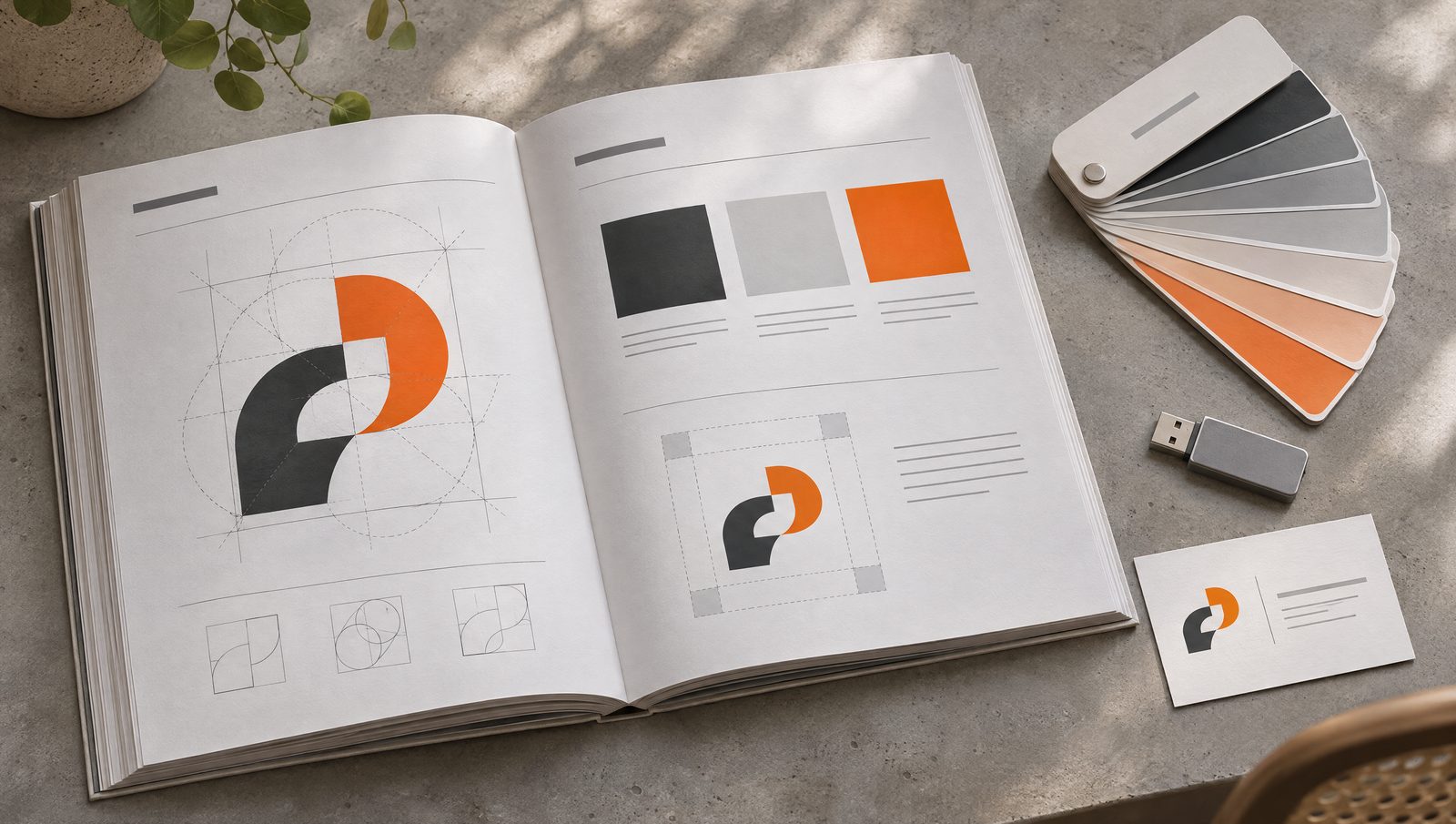
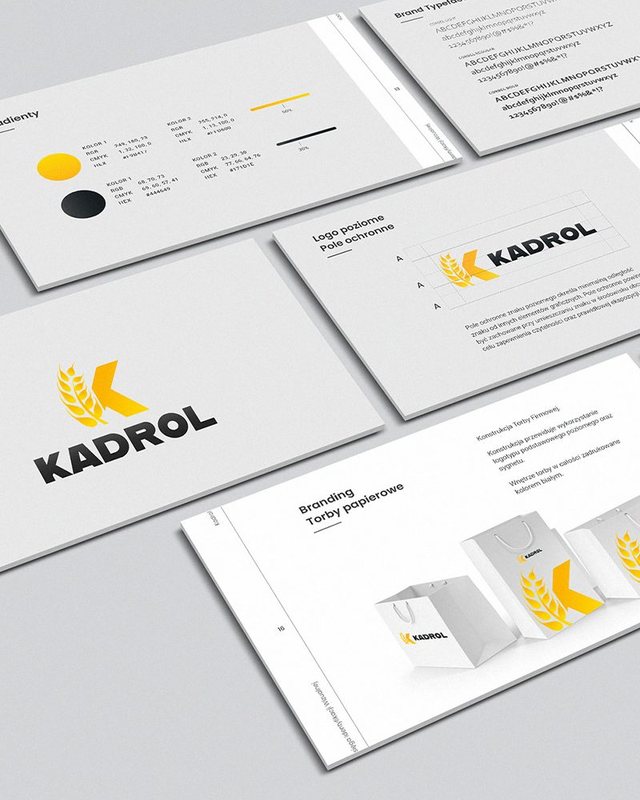
A brand book is a document that sets out how to use the logo and the whole visual identity, in which versions, colours and sizes, and on which media. Its job is practical. It makes sure the printer, the web developer, the social media agency and the sales team present the brand the same way, even if they have never spoken to each other.
Without a brand book, a brand drifts apart within a few months. The logo is stretched on the company car, the banner has a different blue, and someone has swapped the typeface for the default one in a presentation.
What should a brand book contain?
The scope depends on the size of the brand, but the core chapters appear in every good brand book.
| Chapter | What it contains | Why |
|---|---|---|
| The logo and its versions | full, horizontal and vertical logo, the symbol on its own | so everyone knows which version to use where |
| Logo construction | proportions, grid, relationships between elements | so nobody adjusts the logo by eye |
| Clear space and minimum size | free space around the logo, smallest legible size | so the logo does not get lost among other elements |
| Colours | CMYK, RGB, HEX and Pantone values | so the same colour comes out on paper, on screen and on vinyl |
| Colour versions | logo on light and dark backgrounds, reversed, monochrome | so the logo works on any background |
| Typography | typefaces, weights, heading hierarchy | so documents and the website speak with the same voice |
| Incorrect use | stretching, colour changes, shadows, rotation | to show what not to do |
| Applications | business cards, letterhead, email signature, vehicles, signage, social media | so every item is produced to a template |
How many pages should a brand book have?
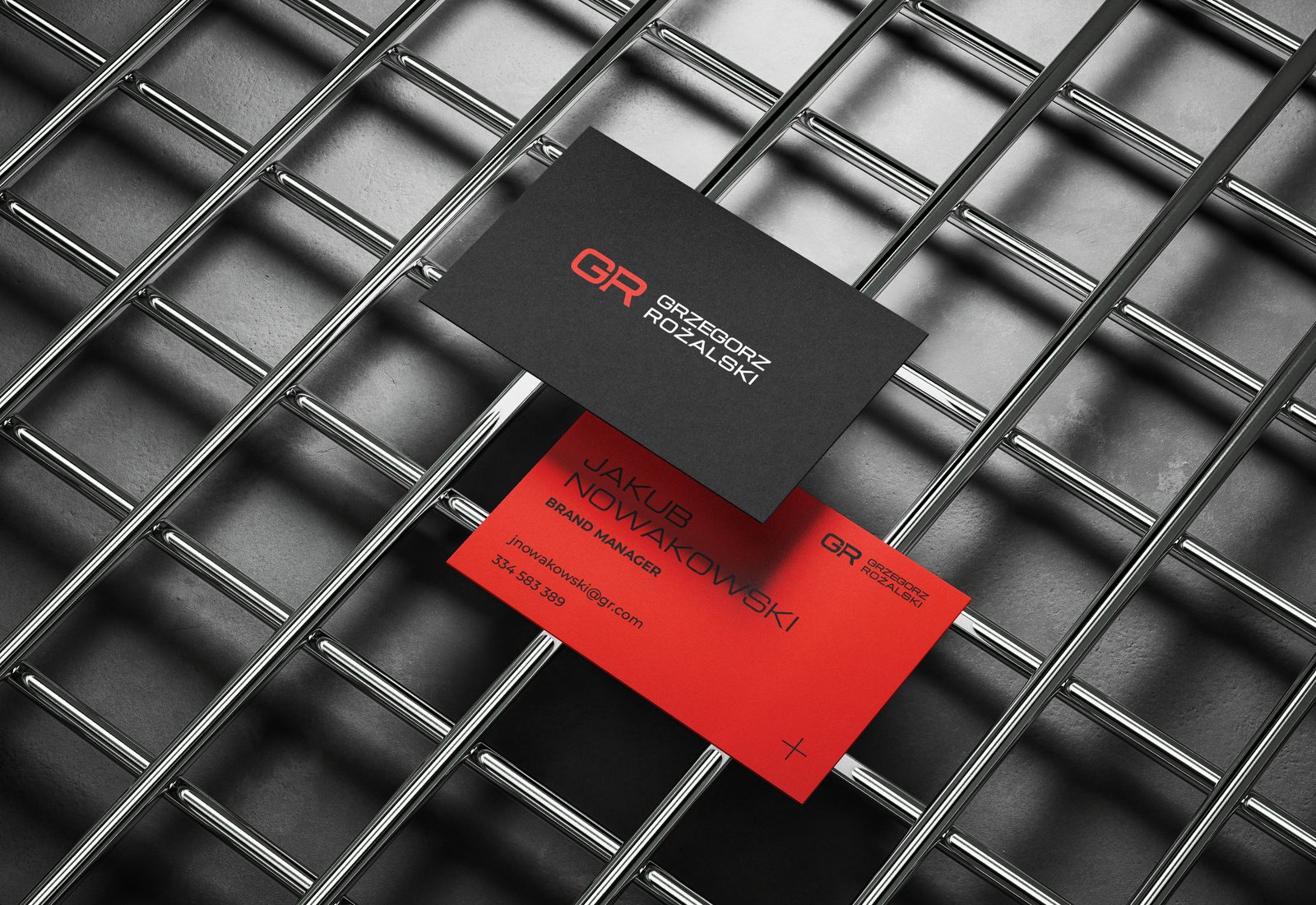
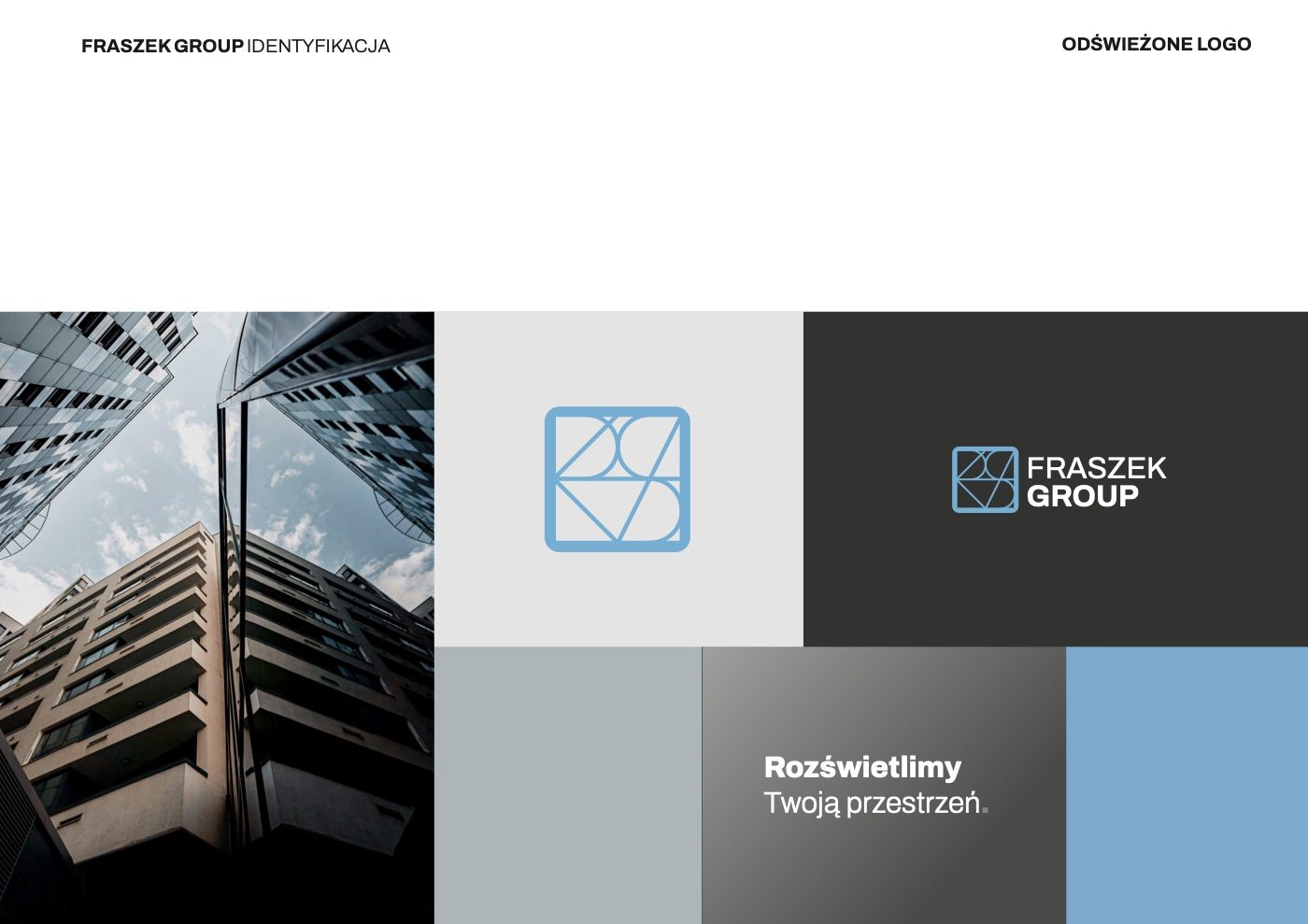
As many as it takes to answer suppliers' questions. The brand book for Grzegorz Rożalski, European hill climb champion, has 19 pages, and alongside it there is a short 8-page brand guide for media and partners. The Fraszek Group brand book has 26 pages, because as well as the logo it covers letterhead, business cards, HTML email signatures, a proposal template and social media templates for the group's three brands.
Thickness is no measure of quality. An 80-page brand book that nobody opens protects a brand less well than 20 focused pages with ready-made templates.
Colours. One colour, four specifications
The same colour is specified differently for print, for screens and for vinyl. The brand book needs all the values, because the printer, the developer and the vehicle wrap company each use different ones.
- CMYK. Offset and digital print, flyers, catalogues, business cards.
- RGB and HEX. Website, apps, social media, presentations.
- Pantone. Spot colour printing, when the colour has to be identical in every print run.
- Vinyls and paints. For vehicle wraps and signage, it is worth naming a specific equivalent from the vinyl manufacturer.
For the wholesaler Wodion we specified four brand colours, navy #004d68, sky blue #039be1, green #48da6d and yellow #ffb300, plus two typefaces, Manrope and Poppins. The same sky blue appears on the business card, in the email signature, on the flags outside the premises and on the website. See the Wodion identity.
The file pack, because a brand book is more than a PDF
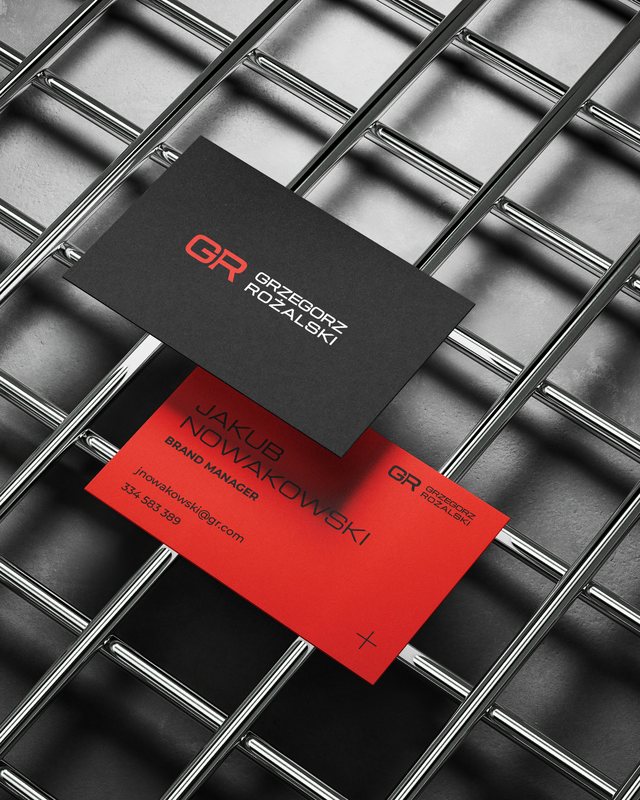
A brand book comes with a complete set of the files suppliers actually use. Rożalski's brand pack has 78 files. It includes three logo variants (full, reversed, symbol) in four formats, the Michroma and Google Sans typefaces, a print-ready business card, newsletter templates, an email signature and nine ready-made posts.
| Format | What for | Who uses it |
|---|---|---|
| AI, PDF | print, signage, vehicle wraps, vector editing | printer, sign company |
| SVG | website, apps | web developer |
| PNG with transparency | presentations, documents, social media | sales team, social media agency |
We added a table to the pack showing what to send to whom, whether a sponsor in Poland or abroad, a printer, the media, a developer or a social media agency. It is a single page that saves dozens of emails asking for a good-quality logo. More in the Rożalski brand case.
Applications. Templates, not descriptions
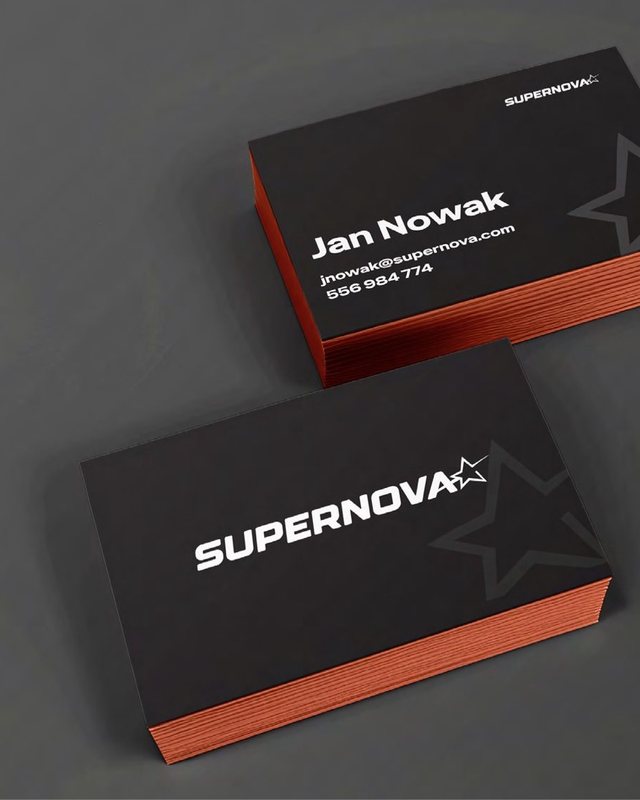
The most useful part of a brand book is the ready-made applications. Rather than describing where the logo goes on a business card, show the business card. In the identity for Double Royal, a developer from Legionowo, we showed the DRR monogram in its primary and horizontal versions, on the sign, the sales office door, business cards and letterhead, and the monogram became a pattern for paper and packaging. See the Double Royal identity.
Who needs a brand book?
Any company that orders materials from more than one supplier. A small business does not need an extensive document, but even a few pages with logo versions, colours and the typeface solve most problems. Give the brand book and the file pack to every new supplier before they start work.
We design logos together with a brand book and a file pack that is ready to send out. Our brand work is described under services, and if your brand does not have a brand book yet, get in touch.
Frequently asked questions
What is the difference between logo guidelines and a brand book?
Logo guidelines mainly cover the logo, its versions, construction, colours and rules of use. A brand book is broader and also covers tone of voice, brand values, photography and templates. In practice the two terms are often mixed up, so agree the scope before you place an order.
How long should visual identity guidelines be?
For a small business, a few pages up to a dozen or so is enough, covering logo versions, colours, typography and basic applications. Rożalski's brand book has 19 pages and Fraszek Group's has 26, because it covers three brands and a full set of templates. What counts is whether a supplier can find the answer in it.
Which logo format should go to the printer and which to the developer?
Printers and vehicle wrap companies get vector AI or PDF files with CMYK or Pantone colours. A developer needs SVG files and HEX values, and the sales team needs PNG files with a transparent background for presentations and documents.
Does a small business need a brand book?
Yes, if more than one supplier produces its materials. Even a short brand book with logo versions, colours and a typeface makes the business cards, the website and the vehicle wrap look like one brand rather than three different companies.
Co-founder, art director. Designs visual identity systems for demanding clients, with the people who will use them in mind.