






Local SEO for service businesses. Town pages, Google Business Profile and local projects
Local SEO is the work of getting a business to appear in Google results and on Google Maps when someone searches for a service in their area, for example “uzdatnianie wody Sieradz” (water treatment Sieradz), “fotowoltaika Kalisz” (solar panels Kalisz) or “elektryk Wieluń” (electrician Wieluń). Sieradz, Kalisz and Wieluń are towns in central Poland, and searches like these are how people there look for local contractors. For a service business from a smaller town, local search is often the main source of enquiries, because customers look for a contractor close to home.
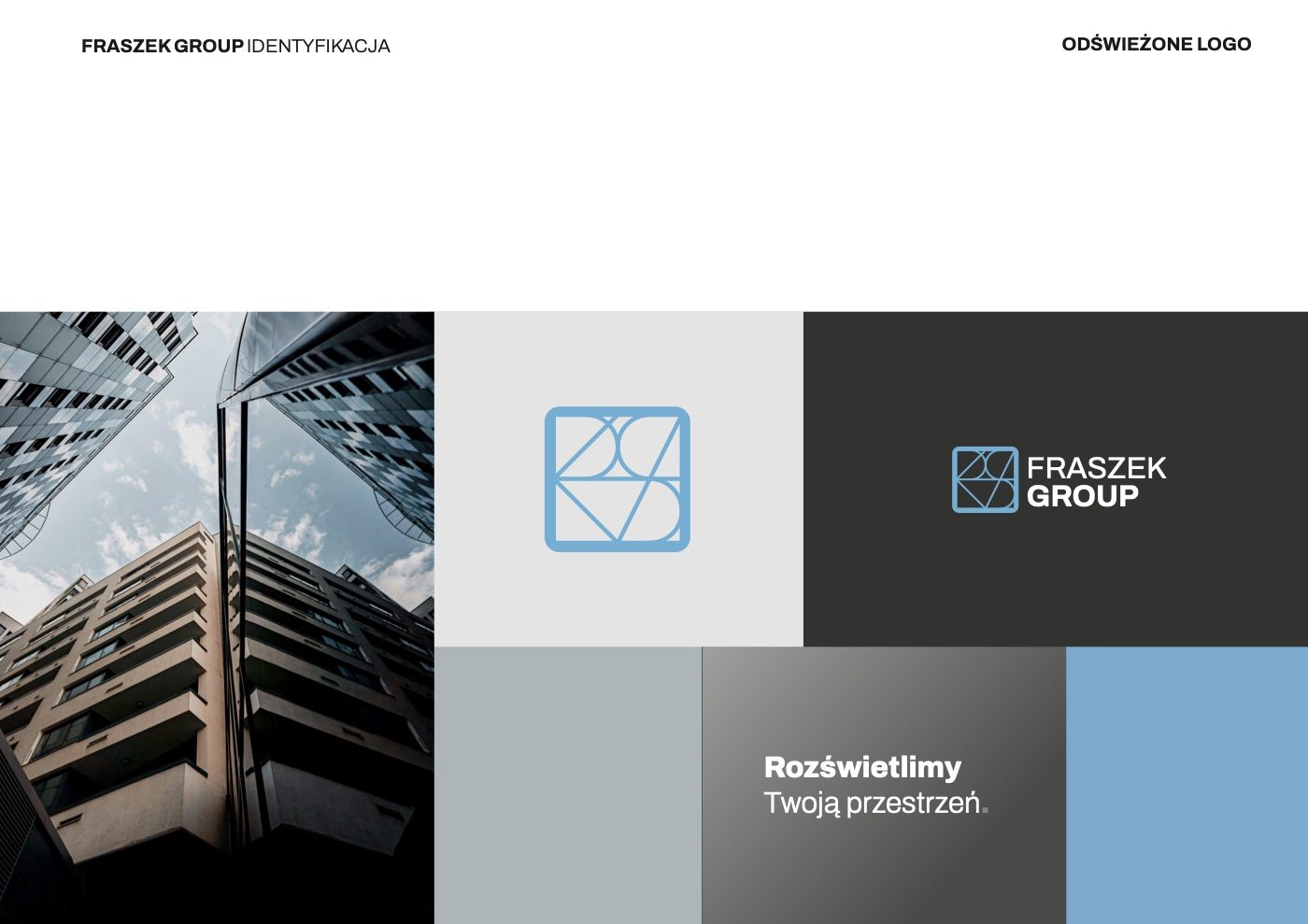
The three pillars of local SEO are a Google Business Profile, local pages on your own website and proof that the business really works in a given place. We show them using two companies from Wieluń, the wholesaler Wodion and the electrical firm Fraszek Group.
Start with your Google Business Profile
Your Google Business Profile decides whether you appear on the map and in the local pack above the regular results. It is free, yet many businesses leave it half finished.
- The right primary category. The one that best describes the service, not a generic “services”.
- Service area. The towns and counties where you actually work.
- The same details everywhere. Name, address and phone number identical in the profile, on the website and in business directories.
- Photos of real work. Your actual vehicles, your crew and finished installations, not stock photos.
- Reviews and replies. Ask for a review once a job is finished and reply to every one, including the critical ones.
Local pages, one page per town
A business profile covers one location, while a service business often travels within a radius of several dozen kilometres. Local pages on your own website let you appear in the results for other towns too. The Wodion website has 52 subpages, 32 of which are local pages, from Wieluń, Praszka and Sieradz to Łódź, Bełchatów, Radomsko, Częstochowa, Kalisz and Konin. Fraszek Group has seven town pages, from Łódź to Piotrków Trybunalski.
| A local page that works | A local page that does harm |
|---|---|
| describes projects in that town or nearby | is the same text with the town name swapped |
| gives travel times and the service area | promises to serve towns the business never travels to |
| answers local questions, such as water quality in the region | is written only for the search engine |
| leads to the form and the phone number | has no links from the rest of the site |
Watch out for doorway pages
Google explicitly classes doorway pages as spam. These are many near-identical subpages created only to take up the results for one town after another. This approach can lower the visibility of the entire website. You can read these rules in Google's spam policies.
The safe rule is simple. Create a local page only for a place where you really work, and put something on it that the other pages do not have, such as a project, a client review or something specific about the area.
Local projects make the best local content
Nothing builds credibility in a town like a description of work done there. The Wodion website has six project write-ups, each with the location and a technical detail, such as two-stage iron removal with a frequency inverter in Praszka, a strawberry plantation with fertigation in Głowno and a water treatment station for a pig farm with 1,500 pigs in Chotów.
A write-up like this works twice over. Clients from the area see that the business knows local conditions, and Google gets content tied to a specific place. It is worth building every project write-up the same way.
- The town and the type of client, e.g. a farm, a house or a factory.
- The problem the client came with.
- What was done and with what equipment.
- The result, ideally with a number or a quote from the client.
- Before and after photos.
A CMS that lets you add town pages yourself
Local pages stay alive when the business can add to them without a developer. On the Wodion website, town pages are a separate content type in the admin panel, alongside projects, reviews, partners and questions. A new project in a given town goes straight onto the right local page. See the Wodion website case and the Fraszek Group website.
How do you measure local SEO results?
Local visibility grows gradually, so measure it from day one, not after six months.
- Enquiries and calls from your Google Business Profile, visible in the profile's statistics.
- Visits to local pages and the search queries they come from, in Google Search Console.
- The number of form enquiries broken down by town, if the form asks for the location.
We build websites with local SEO and an admin panel you can expand yourself. You will find the scope of work on our services page, and if your business travels further than Google shows, get in touch.
Frequently asked questions
How many local pages should a service business have?
As many as the places where it actually works and has something to say about each one. Wodion has 32 town pages because it serves Łódź Province and the surrounding area. Five good pages with real projects are better than fifty copies with the town name swapped.
Are town pages spam?
Not if each one contains unique content, e.g. local projects, travel times or something specific about the area. What Google counts as spam is doorway pages, meaning near-identical subpages created only to take up the results for one town after another.
What matters more in local SEO, your Google Business Profile or your website?
The two work together. The profile decides your visibility on the map around your base, while local pages let you appear in results for towns further away. The website also lends the profile credibility when the business details are the same in both places.
How quickly does local SEO show results?
The first changes in a Google Business Profile can show within a few weeks, while local pages usually need a few months to reach stable positions. The pace depends on the competition in your industry and on how regularly new projects and reviews are added.
Co-founder, creative director. The marketing one, with more than ten years of experience building B2B and B2C brands.